
Garage Door Spring Replacement
Key Facts About Garage Door Safety and Standards
- The U.S. Consumer Product Safety Commission recommends testing a garage door's automatic reversing mechanism monthly by placing a 2-inch block in its path — if the door doesn't reverse within 2 seconds of contact, the opener should be disconnected until repaired.
- According to the Door & Access Systems Manufacturers Association (DASMA), a properly balanced garage door should lift with roughly 8-10 pounds of manual force when disconnected from the opener — anything heavier signals a spring or balance problem.
- Per the Florida Building Commission's wind-borne debris region code, Miami-Dade and Broward Counties require every garage door to meet large-missile impact ratings, regardless of whether the door has windows.
All Residential Services
Get In Touch
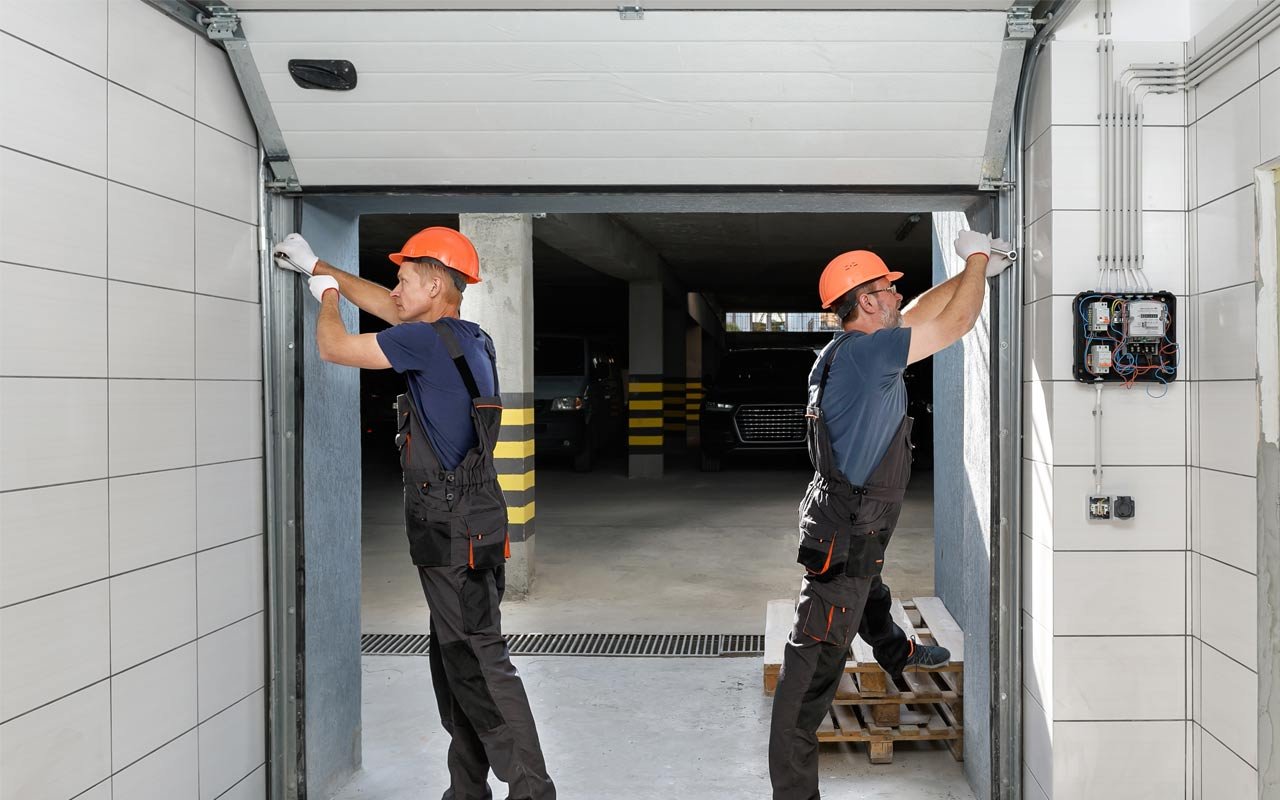
Garage Door Spring Replacement
When your garage door springs break or wear out, it’s more than just an inconvenience—it’s a safety risk. At Sunshine State Garage Door Repair, we specialize in fast, reliable garage door spring replacement services for homeowners throughout Florida. With years of experience and a commitment to excellence, we’ll ensure your garage door operates safely and smoothly.
Quality Services
Reliable, professional garage door solutions you can trust.
Available 7 Days a Week
Dependable garage door services every day of the week.
Simple Pricing
Transparent, straightforward pricing with no hidden fees.

Why the Spring Matters More Than You’d Think
The spring is what actually lifts your garage door — the opener just controls the motion, the spring does the heavy lifting, literally counterbalancing a door that can weigh 150-400 pounds. When it wears out or snaps, the opener has nothing to work against, and the door either won’t budge or slams down. Springs are rated for a set number of open-close cycles — typically somewhere around 10,000 — and once they hit that limit, or corrode from humidity and salt air, replacement isn’t optional.
How to Tell Before It Fails Completely
A spring rarely fails with zero warning. Watch for:
- The door won’t open, or takes noticeably more effort than usual to lift by hand.
- One side of the door hangs lower than the other, or it moves crookedly instead of straight up.
- A loud bang from the garage — that’s frequently a torsion spring letting go.
- The door jerks or stutters partway through its cycle instead of moving smoothly.
- Visible rust, gaps between coils, or a spring that looks stretched out of shape.
- It won’t lift at all: the opener strains or the door won’t budge by hand either — a strong sign the spring is gone.
- The door hangs crooked: one side sits lower, meaning tension is uneven between springs (or one has already failed on a two-spring setup).
- You heard a loud bang: a sudden pop or crack from the garage is almost always a spring letting go.
- Motion is rough or stuttering: a weakening spring makes the door jerk instead of gliding through its cycle.
- The spring itself looks off: visible rust, gaps between the coils, or a stretched-out shape means it’s near the end regardless of whether it’s failed yet.
Torsion vs. Extension: What’s On Your Door
Nearly every residential door uses one of two spring designs, and we carry stock for both:
- Torsion springs mount horizontally above the door on a metal shaft and twist to store energy — the more common setup on newer installs, generally smoother and longer-lasting.
- Extension springs run along the horizontal tracks on either side of the door and stretch to provide lift — common on older installations.
We’ll identify which one your door uses and match the replacement to your door’s exact weight and size — the wrong spring rating causes premature failure just as fast as a worn-out original.
- Torsion: mounted on a shaft above the door, twisting to store the lifting force. Standard on most current installs and generally the more durable option.
- Extension: mounted along the horizontal tracks, stretching to provide lift. More common on older doors.
We match the replacement to your door’s specific weight and spring type — using the wrong rating shortens the life of the new spring just as much as age does to the old one.
Our technicians will assess your system, identify the right spring type, and replace it with precision and care.
Why We Don’t Recommend Doing This Yourself
A wound garage door spring stores enough force to cause serious injury if it releases uncontrolled — this isn’t a job for a weekend toolkit. Beyond the safety issue, an incorrectly installed spring throws off the whole door’s balance, which strains the opener and can damage the track or panels. We carry the winding bars, tensioning tools, and training to do this safely, and we back the install with a warranty — something a DIY attempt obviously can’t offer.
- It’s under real tension: a wound spring stores enough force to cause a serious injury if it releases while someone’s working on it without the right tools.
- Balance matters: a spring installed slightly wrong throws off the door’s balance, which stresses the opener and can damage the track over time.
- Warranty coverage: a professional install comes with a warranty on the part and the labor — a DIY attempt has neither if something goes wrong.
What Happens When We Show Up
The process is straightforward on our end because we’ve done it thousands of times:
- We inspect the door and confirm it’s actually the spring — occasionally what looks like a spring failure is a cable or opener issue instead.
- The old spring comes off safely, without risking the rest of the hardware.
- We install a properly matched replacement and re-tension it to balance the door correctly.
- We run the door through a full cycle to confirm smooth, even movement before we consider the job done.
- We’ll flag anything else worth knowing — a cable showing wear, a roller that’s next — so you’re not surprised later.
- Confirm the actual problem: occasionally what looks like a spring failure is really a cable, roller, or opener issue — we check before assuming.
- Remove the old spring safely: using proper winding bars and tensioning tools, without risking the rest of the door hardware.
- Install and tension the replacement: matched to your door’s weight, then tensioned so the door is properly balanced.
- Run a full test cycle: we watch the door open and close completely before considering the job done, not just partway.
- Flag anything else worth knowing: a worn cable or roller that’s next in line, so it’s not a surprise later.
What Happens If You Just Leave It
A garage door that’s been running on a bad spring puts extra load on everything downstream — the opener motor works harder and burns out faster, the cables and rollers wear unevenly, and an unbalanced door can drop unexpectedly, which is a real safety risk if anyone’s underneath it. What starts as a $200-300 spring replacement can turn into a much larger repair bill if the opener or track gets damaged in the meantime.
- The opener wears out faster: it’s fighting a door it wasn’t designed to lift unassisted, which shortens its motor life.
- Real injury risk: an unbalanced door can drop without warning — dangerous if a person, pet, or car is underneath.
- Damage spreads: uneven movement puts extra wear on tracks and cables that were fine before the spring failed.
Addressing spring issues promptly protects your family, home, and garage door system.
What You’re Actually Getting
A few reasons customers pick us for this specific repair:
- We’ve replaced thousands of springs and know the failure patterns cold.
- We stock quality springs rated for Florida’s climate, not the cheapest option available.
- We move fast — a broken spring means a car trapped in the garage, and we treat it that way.
- Straightforward pricing, quoted before we start, no surprises on the invoice.
- Volume of experience: we’ve replaced thousands of springs and recognize failure patterns quickly.
- Quality parts: we stock springs rated for Florida’s climate, not the cheapest option on the shelf.
- Speed: a broken spring usually means a car stuck in the garage, so we prioritize getting to you fast.
- Straightforward pricing: quoted before the work starts, matching what’s on the invoice after.
Getting More Life Out of the Next One
Springs wear out eventually regardless, but a few habits stretch their lifespan: periodic lubrication reduces friction-driven wear, keeping the tension and alignment checked catches problems early, and watching for rust or corrosion (more of an issue near the coast) lets you catch a failing spring before it snaps rather than after.
- Lubricating the springs periodically to cut down on friction wear
- Checking tension and alignment during routine visits
- Watching for early rust or corrosion, especially in coastal areas
- Confirming the door stays balanced over time, not just right after install
By investing in regular maintenance, you can avoid costly repairs and keep your garage door functioning smoothly.
If It Breaks Outside Business Hours
Springs don’t check the clock before they fail, so neither do we — emergency spring replacement is available when you need your car out and the door won’t cooperate.
Ready When You Are
A broken spring isn’t something to put off — it only gets more expensive and less safe the longer it sits. Call Sunshine State Garage Door Repair and we’ll get a technician out to replace it correctly, the first time.
Don’t wait on a broken spring — it only gets more dangerous and more expensive the longer it sits. Call Sunshine State Garage Door Repair and we’ll get a technician out to replace it correctly, the first time.