
Garage Door Opener Installation and Repair
Key Facts About Garage Door Safety and Standards
- The U.S. Consumer Product Safety Commission recommends testing a garage door's automatic reversing mechanism monthly by placing a 2-inch block in its path — if the door doesn't reverse within 2 seconds of contact, the opener should be disconnected until repaired.
- According to the Door & Access Systems Manufacturers Association (DASMA), a properly balanced garage door should lift with roughly 8-10 pounds of manual force when disconnected from the opener — anything heavier signals a spring or balance problem.
- Per the Florida Building Commission's wind-borne debris region code, Miami-Dade and Broward Counties require every garage door to meet large-missile impact ratings, regardless of whether the door has windows.
All Residential Services
Get In Touch
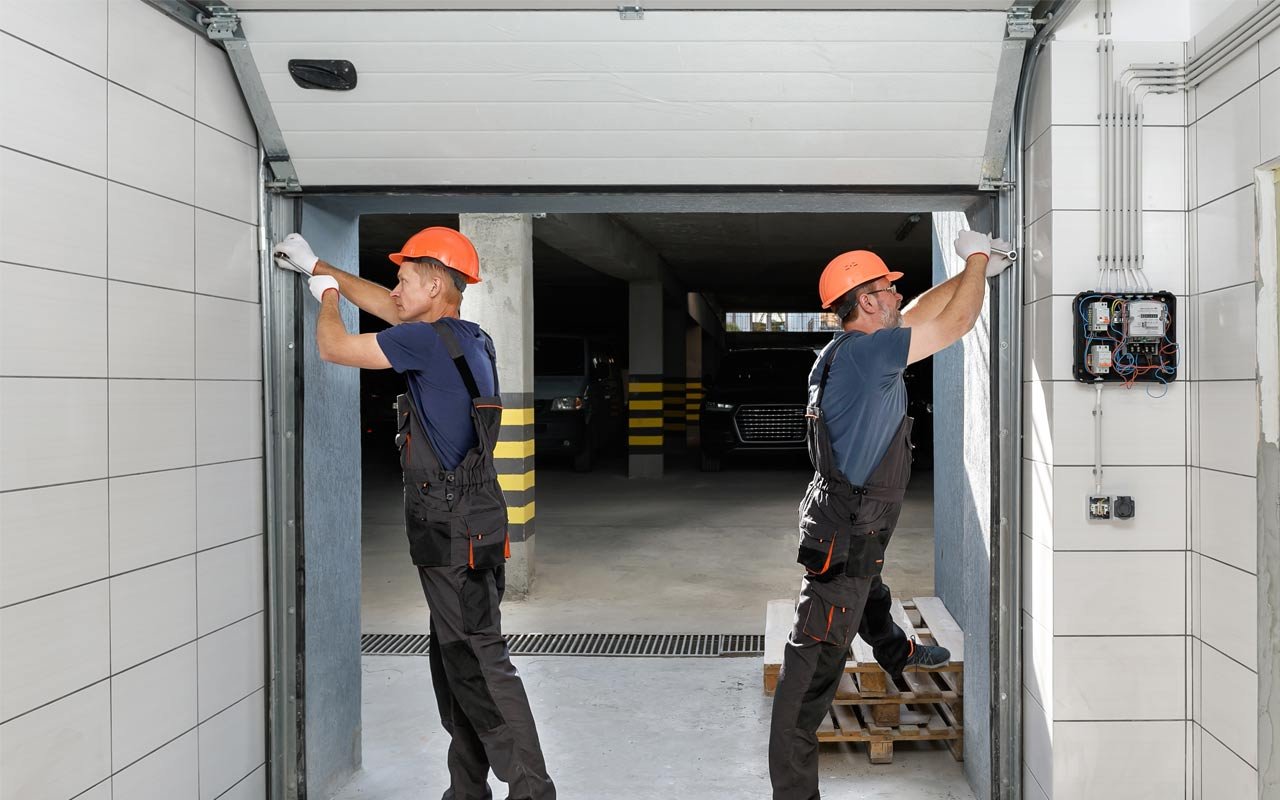
Garage Door Opener Installation and Repair
Your garage door opener is the heart of your garage door system. Whether you need a new opener installed or your current one repaired, Sunshine State Garage Door Repair offers expert solutions to keep your garage door operating smoothly and efficiently. Serving the entire state of Florida, we’re here to ensure your opener is reliable and easy to use.
Quality Services
Reliable, professional garage door solutions you can trust.
Available 7 Days a Week
Dependable garage door services every day of the week.
Simple Pricing
Transparent, straightforward pricing with no hidden fees.

Putting In a New Opener
Whether you’re replacing a unit that finally died or upgrading from a decades-old chain-drive to something quieter and app-controlled, we handle the full install: mounting the motor unit, running and calibrating the rail, setting the travel limits so the door stops in the right spot, and pairing the remotes and keypad. We work with chain-drive, belt-drive, and screw-drive models across the major brands, and we’ll help you pick the right one for your door’s weight and how often it gets used.
- Smart features: Wi-Fi connectivity, smartphone app control, and battery backup are all available on current models.
- Quiet operation: belt-drive units run noticeably quieter than older chain-drive openers — worth it for attached garages.
- Drive type options: chain, belt, or screw drive, matched to your door’s weight and how much noise matters to you.
Fixing One That’s Already Acting Up
An opener that grinds, hesitates, reverses for no reason, or just stopped responding to the remote is usually one of a handful of things: a failing motor, a worn drive gear, a misaligned safety sensor, or a logic board issue. We diagnose which one it actually is instead of defaulting to a full replacement — plenty of these problems are a $50-100 part, not a new unit.
Common Garage Door Opener Issues We Fix:
- Remote or keypad not responding: often a battery, pairing, or signal receiver issue — usually a quick fix.
- Excess noise: worn gears, chains, or belts grinding instead of running smoothly.
- Door not fully opening or closing: frequently a limit-switch or obstruction-sensor setting that’s drifted out of adjustment.
- Intermittent operation: works sometimes and not others — a sign of a failing logic board or a loose connection.
How We Approach an Opener Job
Same approach whether it’s an install or a repair: we look at the actual door and opener in front of us, not a generic checklist. That means checking that the safety sensors line up and actually stop the door on an obstruction, that the chain or belt has correct tension, that the remotes and keypad are properly paired, and that the whole thing runs quietly and consistently before we call it done. We test the door through several full cycles, not just one.
- Look at the actual door and opener: we assess what you have before recommending a new unit or diagnosing a repair.
- Do the work: installation or repair, handled by a technician who’s done this hundreds of times.
- Test before we leave: full cycles, safety sensor checks, and a walkthrough of any new features so you know how to use them.
Why Homeowners Upgrade Instead of Just Repairing
A newer opener isn’t just about not breaking down — belt-drive units run noticeably quieter than an old chain-drive, Wi-Fi-enabled models let you check the door status and open it remotely from your phone, and battery backup keeps the door working through a power outage, which matters a lot more in Florida during storm season than it does most other places. Current safety-sensor standards are also a real improvement over units from 15-20 years ago.
- Remote monitoring: check and control the door from your phone, wherever you are.
- Battery backup: keeps the opener working through a power outage — genuinely useful during Florida storm season.
- Better safety sensors: current models stop the door reliably when something’s in the way, an improvement over units from 15-20 years ago.
- Efficiency: newer motors draw less power for the same lifting job.
What We Bring to This Job Specifically
Opener work is more electronics-and-calibration than brute mechanical repair, so experience matters: we’ve installed and repaired thousands of these units, we carry stock from the major manufacturers rather than a single house brand, and we test the safety features properly before leaving — a sensor that’s just slightly misaligned can look fine and still be a real hazard.
- Real experience: years of hands-on work across the major opener brands and models.
- Quality parts: we install and repair with components from manufacturers with a track record, not off-brand replacements.
- Responsiveness: we move quickly and don’t drag out a job that should take an hour.
When It Fails at a Bad Time
An opener that dies while your car is stuck inside (or outside) doesn’t wait for business hours, so we don’t either — emergency service is available for exactly this situation.
Keeping It Running Longer
Openers last longer with basic upkeep: lubricating the moving parts on the rail, periodically testing that the safety sensors still reverse the door correctly, checking that mounting hardware hasn’t worked loose, and replacing remote batteries before they die mid-use rather than after.
- Lubricating the rail and moving parts on a regular schedule
- Testing that the safety sensors still reverse the door correctly
- Checking that mounting hardware hasn’t worked loose over time
- Swapping remote batteries before they die instead of after
How We Handle the Actual Appointment
We show up in the window we give you, explain what’s wrong in plain terms before we start any work, and quote the price up front — the number on the phone is the number on the invoice.
Get a Technician Out
Whether it’s a new install or a repair on your existing opener, call Sunshine State Garage Door Repair and we’ll get it working right.